Why Healthy Relationships Can Feel Unsafe After Trauma
Healthy relationships are often associated with safety, trust, connection and emotional security.
Yet for someone who has experienced trauma, a healthy relationship can sometimes feel surprisingly uncomfortable—or even unsafe.

You may find yourself waiting for something to go wrong when everything seems to be going well. You may feel uneasy when someone is kind, struggle to trust a partner who treats you well, or feel an urge to pull away when a relationship becomes emotionally close.
You might even wonder:
“Why do I feel anxious when nothing is actually wrong?”
These reactions can be confusing, particularly when you consciously know that the person you're with is safe.
Understanding why healthy relationships can feel unsafe after trauma can help reduce self-blame and make these responses easier to understand.
Why Can Healthy Relationships Feel Unsafe After Trauma?
Trauma can affect the way the brain and nervous system respond to safety, closeness and relationships.
When someone has experienced abuse, neglect, sexual trauma, betrayal, abandonment, or other overwhelming experiences, their nervous system may become highly attuned to potential danger.
This can mean that safety does not immediately feel safe.
A calm relationship may even feel unfamiliar if your previous experiences taught you to expect unpredictability, rejection, criticism, control or harm.
This does not mean there is something wrong with you or that you are incapable of having a healthy relationship.
It may mean that your nervous system is still learning what safety feels like.
How Trauma Affects Trust in Healthy Relationships
Trust can be particularly complicated after trauma.
You may genuinely believe that your partner is trustworthy while still experiencing anxiety, suspicion or doubt.

You might:
question whether someone really cares about you
expect them to eventually hurt or reject you
find it difficult to believe reassurance
constantly analyse changes in their behaviour
look for signs that something is wrong
struggle to accept kindness or affection
feel uncomfortable depending on another person
fear that becoming vulnerable will leave you exposed
These responses can occur even when there is no current evidence of danger.
Trauma can teach a person to rely heavily on vigilance and self-protection. As a result, relaxing those protective strategies may initially feel risky.
If you have noticed that trust, boundaries or saying no are difficult for you, you may also find Why Do I Struggle With Trust, Boundaries or Saying No? helpful.
Why Does Intimacy Feel Unsafe After Trauma?
Emotional intimacy involves vulnerability.
For someone with a history of trauma, vulnerability may have previously been associated with being hurt, rejected, manipulated, controlled or having boundaries violated. As a result, emotional closeness can activate protective responses.
You may notice:
wanting closeness but becoming uncomfortable when someone gets close
feeling exposed when sharing personal information
withdrawing after an emotionally intimate conversation
becoming anxious when a relationship starts becoming serious
feeling the need to create distance after moments of connection
difficulty accepting affection or reassurance
fear of becoming emotionally dependent on someone
This can create a confusing experience of wanting connection while simultaneously wanting to escape it.
This is sometimes associated with attachment trauma and difficulties feeling emotionally safe in close relationships.
Trauma, Attachment and Feeling Safe in Relationships
Our early relationships can influence how we learn about trust, safety, boundaries and emotional connection.
When childhood experiences involved consistency, responsiveness and emotional safety, relationships may become associated with a relatively stable sense of security.
When childhood experiences involved neglect, abuse, unpredictability, emotional unavailability or other forms of trauma, relationships may be experienced differently.
This does not mean childhood experiences determine your future relationships. However, they can influence expectations about what closeness means and what you should expect from other people.
You may find What Is Complex Trauma? Understanding Symptoms, Causes and Recovery helpful for understanding how prolonged or repeated trauma can affect emotional and relational wellbeing.
Why Calm Relationships Can Feel Unfamiliar After Trauma
One of the most confusing experiences after trauma is discovering that calm can feel uncomfortable.
If your previous relationships involved significant conflict, unpredictability or emotional intensity, a consistent and respectful relationship may initially feel strange.
You might interpret calm as:
boredom
lack of chemistry
emotional distance
something being “too good to be true”
a sign that something is about to go wrong
Your conscious mind may recognise that the relationship is healthy while your nervous system remains alert for danger.
With time, safety can become more familiar.
This is one reason that healing from trauma is not simply about recognising that a person is safe. It can also involve gradually developing the capacity to feel safe.
Hypervigilance in Relationships After Trauma
Hypervigilance is a state of increased alertness to possible danger.
After trauma, hypervigilance can become particularly noticeable in relationships.
You may monitor:
your partner's tone of voice
facial expressions
changes in texting patterns
how quickly someone responds
changes in affection
small disagreements
whether someone seems disappointed
whether someone appears distant
You may find yourself trying to predict what will happen next.
This can be exhausting.
It can also create anxiety within relationships that are objectively safe.
If you experience strong reactions to reminders of past experiences, Trauma Triggers Meaning: Understanding Emotional and Nervous System Responses may help you understand why seemingly small situations can sometimes activate a much larger response.
Why You Might Pull Away When Someone Treats You Well
One of the most painful effects of relationship trauma can be wanting a healthy relationship while simultaneously feeling the urge to leave when one becomes available.
You may think:
“Why am I pushing them away when they haven't done anything wrong?”
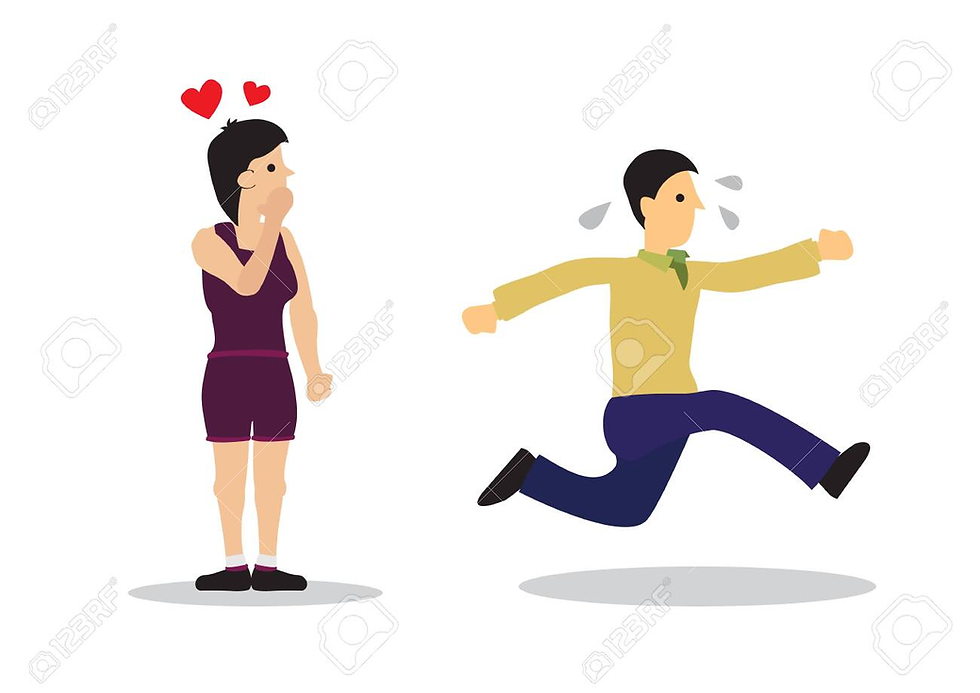
There can be several reasons.
Closeness may activate fear of vulnerability.
Kindness may feel unfamiliar.
Consistency may feel difficult to trust.
Or your nervous system may interpret emotional dependence as a potential loss of control.
Pulling away can therefore function as a protective strategy.
It may have helped you manage vulnerability in the past, even if it creates difficulties in your relationships now.
Trauma Bonding Is Different from Feeling Unsafe in a Healthy Relationship
It is important to distinguish between a healthy relationship feeling unfamiliar and an actual unhealthy relationship.
Trauma bonding involves a powerful attachment that can develop within harmful relationship dynamics, often involving repeated cycles of harm and periods of affection, reassurance or relief.
You can read more about this in Trauma Bonding Explained: Why Harmful Relationships Can Feel So Difficult to Leave.
By contrast, someone recovering from trauma may feel unsafe within a genuinely respectful relationship because their nervous system has learned to anticipate danger.
These situations can feel similar emotionally, but the underlying relationship dynamics are different.
Feeling anxious does not automatically mean that your relationship is unhealthy.
At the same time, feeling anxious should not automatically be dismissed as “just trauma”.
It is important to consider both your internal responses and what is actually happening within the relationship.
How to Feel Safer in Healthy Relationships After Trauma
Healing does not require you to force yourself to trust someone or remain in situations that feel uncomfortable.
Instead, developing relationship safety can be a gradual process.
It may involve:
learning to recognise trauma responses
identifying what genuinely feels safe
developing healthy boundaries
communicating your needs
practising emotional regulation
learning how trauma can affect both partners within a relationship
Grounding can also be useful when relationship anxiety becomes overwhelming.
Using Grounding in Trauma Recovery provides practical strategies for reconnecting with the present moment when anxiety, intrusive thoughts, dissociation or emotional overwhelm occur.
If you are supporting a partner or family member who has experienced sexual trauma, you may also find How to Support Someone After Sexual Trauma: A Guide for Partners & Families helpful. It provides practical guidance about responding with empathy, supporting safety and boundaries, and looking after your own wellbeing.
Can Trauma Therapy Help with Relationship Anxiety?
Yes. Trauma-informed therapy can help you understand how past experiences may be influencing your current relationships.
Therapy does not mean that you have to blame yourself for your relationship patterns.
Instead, it can provide an opportunity to understand why certain situations trigger fear, withdrawal, hypervigilance or emotional overwhelm.
Depending on your individual needs, trauma therapy may explore:
attachment patterns
trauma responses
emotional regulation
boundaries
trust
self-worth
relationship patterns
nervous system responses
unresolved traumatic experiences
How EMDR Helps With Trauma and PTSD explains one trauma therapy approach that may be appropriate for some people experiencing the effects of trauma.
Learning to Recognise Safety After Trauma
Healing from trauma does not mean that you will never feel anxious in a relationship again.
Rather, it can involve developing a greater ability to recognise what is happening in the present and respond to it with greater choice.

Over time, you may become better able to notice:
“I am feeling afraid, but I am not necessarily in danger.”
You may begin to recognise when an emotional response belongs to the present situation and when it has been activated by something from the past.
This distinction can be an important part of developing healthier relationships after trauma.
Frequently Asked Questions About Healthy Relationships After Trauma
Why do healthy relationships feel unsafe after trauma?
Healthy relationships can feel unsafe after trauma because previous experiences may have taught the nervous system to associate closeness, vulnerability or trust with danger. Even when a current partner is safe, trauma-related responses such as hypervigilance, anxiety or avoidance may still become activated.
Can trauma make it difficult to trust a good partner?
Yes. Trauma can affect trust even when there is no current reason to distrust someone. A person may recognise intellectually that their partner is trustworthy while still experiencing fear, suspicion, hypervigilance or difficulty accepting reassurance.
Why do I push people away when they treat me well?
Pushing someone away can sometimes be a protective response when emotional closeness or vulnerability has previously been associated with harm. Creating distance may temporarily reduce anxiety, even when the relationship itself is safe.
Can childhood trauma affect adult relationships?
Yes. Childhood trauma can influence expectations about safety, trust, boundaries, attachment and emotional connection. This does not mean childhood trauma determines your future relationships, and healthy relationship patterns can be developed through awareness, support and healing.
Can trauma therapy help me feel safer in relationships?
Trauma-informed therapy can help you understand trauma responses, develop emotional regulation skills, strengthen boundaries, process traumatic experiences when appropriate, and build a greater sense of safety and self-trust.
Support for Relationship Difficulties After Trauma
If healthy relationships feel difficult, confusing or unsafe after trauma, you are not alone.
You do not have to choose between protecting yourself and having meaningful relationships.
With appropriate support, it is possible to develop a greater understanding of your trauma responses, strengthen your sense of safety and build relationships based on trust, respect and healthy boundaries.
At Sexual Trauma Counselling Perth, trauma-informed counselling is available for adolescents aged 13+ and adults experiencing the effects of sexual trauma, childhood trauma, PTSD, anxiety, relationship difficulties and complex trauma.
You can learn more about Sexual Trauma Counselling Perth, explore My Approach to Trauma Therapy, or read What Is Sexual Trauma Counselling? A Safe Path Toward Healing to understand more about the support available.
Appointments are available face-to-face in Subiaco and via telehealth across Australia.
Take the Next Step

If you recognise yourself in this article, you do not need to have everything worked out before seeking support.
Understanding why healthy relationships can feel unsafe after trauma can be an important first step towards feeling safer within yourself and with others.
If you would like professional support to explore how trauma may be affecting your relationships, you are welcome to Contact Sexual Trauma Counselling Perth to discuss counselling.


Comments