Why Does Sexual Trauma Sometimes Lead to Hypersexuality?
Sexual trauma can affect people in many different ways. While some adult survivors withdraw from sexual intimacy after trauma, others may experience an increased interest in sex, more frequent sexual thoughts, or sexual behaviour that feels difficult to control.
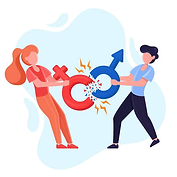
This can be confusing, particularly when a person is trying to understand why they are responding to sexual trauma in a way that seems to contradict what they might expect.
You may find yourself thinking:
Why am I seeking more sex after what happened to me?
Why do I want sex sometimes, but feel disconnected from it at other times?
Why do I sometimes feel driven to have sex when I am distressed, anxious or upset?
Why do I keep having sexual experiences even when I don't feel emotionally connected to them?
Does this mean I wasn't really sexually traumatised?
These questions can bring up considerable shame and confusion. For some adult survivors, hypersexuality after sexual trauma can develop as a way of responding to and coping with what has happened to them.
Understanding this response does not mean that every behaviour is healthy or helpful. It means that there may be reasons underneath the behaviour that are worth exploring with curiosity and compassion.
A note about children and adolescents
The way we understand sexualised behaviour in children and young adolescents is different from the way we understand sexual behaviour in adults.
When sexualised behaviour in a child or young adolescent is developmentally unusual, concerning or inappropriate, it should not simply be interpreted as a normal sexual response to trauma. It may indicate that the child has been exposed to sexual experiences, information or behaviour that they were not developmentally ready for.
This is why sexualised behaviour in children and young adolescents needs to be considered within a developmental and safeguarding context, with appropriate professional support where there are concerns.
This article focuses primarily on adult survivors of sexual trauma and the ways sexual trauma may affect sexual thoughts, urges and behaviour in adulthood.
What Is Hypersexuality After Sexual Trauma?
The term hypersexuality is sometimes used to describe a significant focus on sexual thoughts, urges or behaviours. It can involve a persistent preoccupation with sex or sexual behaviour that feels difficult to control and may cause distress or interfere with relationships, work or wellbeing.
For some adult survivors of sexual trauma, this may represent a significant increase from their previous level of sexual interest or behaviour. They may find themselves seeking sex, sexual attention, pornography, masturbation or other sexual experiences more frequently than they did before their trauma.
However, it is important to make a distinction between having a high sex drive and experiencing sexual behaviour that feels distressing or difficult to control. Having frequent sexual thoughts or enjoying sex does not automatically mean there is a problem.
The more important questions are:
Do your sexual urges feel difficult to control?
Are you using sexual behaviour to cope with overwhelming emotions?
Do you sometimes engage in sexual behaviour when you do not really want to?
Do you feel disconnected or emotionally numb during sexual experiences?
Do you experience significant shame or distress afterwards?
Is your sexual behaviour creating problems in your relationships, work, finances or wellbeing?
Do you feel as though you are repeatedly doing something despite wanting to stop?
For some survivors, the issue is not how much sex they are having, but how they are relating to sex and what role sexual behaviour is playing in their emotional life.
Why Can Sexual Trauma Lead to Hypersexuality?
There is no single explanation for why some survivors become more sexually active after trauma.
Sexual trauma can affect the way a person experiences their body, emotions, relationships, boundaries, safety and sense of control. Sexual behaviour can sometimes become connected with attempts to manage these changes.
Seeking a sense of control
Sexual trauma involves a violation of choice, boundaries or bodily autonomy. Afterwards, some people may seek experiences where they can feel that they are the one making the decisions.
Choosing when, how and with whom to have sex can sometimes create a temporary sense of control over something that previously felt completely outside their control.
This does not mean the survivor is consciously trying to recreate the trauma or that they are responsible for the pattern.

Trauma responses are not always straightforward, logical or conscious. A person may not understand their behaviour intellectually but instead experience a strong drive or urge that can feel difficult to understand or control.
Seeking validation or reassurance
Sexual trauma can profoundly affect a person's sense of self-worth and attractiveness. Some survivors may begin seeking sexual attention or validation because being desired can temporarily provide reassurance:
I'm attractive.
I'm wanted.
I'm still desirable.
Someone chooses me.
The feeling may be comforting in the moment, particularly when trauma has left someone feeling rejected, powerless or disconnected from their own body.
But if sexual attention becomes the main way a person feels worthy or reassured, the relief may be temporary, leading to a repeated cycle of seeking more validation.
Using sex to regulate difficult emotions
Sexual behaviour can sometimes become a way of managing difficult emotional states.
For some people, sexual activity may temporarily reduce feelings such as:
anxiety
loneliness
sadness
anger
emptiness
shame
rejection
emotional overwhelm.
The sexual experience may provide distraction, comfort, excitement, connection or a temporary escape from painful thoughts and feelings.
In this situation, the behaviour may be serving an emotional function, even if the person is not consciously aware of it.
Seeking connection
After sexual trauma, relationships and intimacy can become complicated. Some survivors may crave closeness and reassurance while simultaneously finding emotional intimacy frightening or difficult.
Sexual intimacy can sometimes feel like a quicker or more manageable route to connection.
Someone may find it easier to experience physical closeness than emotional vulnerability. This does not necessarily mean they do not want an emotionally intimate relationship. It may simply be the way their nervous system has learned to approach closeness after trauma.
Trauma can also affect trust, boundaries and the ability to feel safe in close relationships. You may find it helpful to learn more about why trauma can make trust, boundaries and saying no feel difficult.
Repeating familiar patterns
Trauma can sometimes affect what feels familiar or normal in relationships and intimacy. If someone's early experiences taught them to associate sex or sexual attention with affection, approval, closeness or feeling valued, these patterns can sometimes carry into later relationships. This is not about blaming the survivor.
A person's brain and nervous system learn from experience. Sometimes what is familiar can feel easier to move towards, even when it is not what the person consciously wants. Understanding this pattern can create an opportunity for greater choice rather than greater shame.
Disconnecting from feelings

Some survivors experience dissociation or emotional disconnection following sexual trauma. A person may participate in sexual activity while feeling emotionally detached from their body, their feelings or the experience itself.
For some people, sexual behaviour can become a way of escaping uncomfortable emotions or feeling something intensely when they otherwise feel numb.
Sexual Trauma Can Occur Across the Lifespan
Sexual trauma can occur at any stage of life. It may involve childhood sexual abuse, sexual assault during adolescence or adulthood, or another experience that violates a person's sexual boundaries, safety or sense of control.
While the circumstances may be very different, sexual trauma can affect the way a person experiences their body, sexuality, relationships and sense of safety long after the event or experiences have ended.
For some survivors, this may include changes in sexual behaviour. For others, sexual trauma may lead to avoiding sex altogether, feeling disconnected from their sexuality, or experiencing changes in sexual desire in other ways.
A person's response may also look very different from what they — or the people around them — expect trauma to look like. You do not have to avoid sex, become afraid of sex or lose interest in sex for an experience to have been traumatic. Similarly, becoming more sexually active after sexual trauma does not mean that what happened to you was any less significant.
These responses are not necessarily fixed. A person may move between different responses at different times, or experience conflicting feelings about sex at the same time. For example, someone may genuinely enjoy sex while also finding that they sometimes use sexual behaviour to manage distress. Someone else may feel sexually confident in some situations but disconnected, numb or overwhelmed in others.
There is no single way that a person "should" respond to sexual trauma.
What matters is understanding your own experience — including what may be happening underneath, changes in your sexual behaviour, and whether those behaviours feel consistent with what you genuinely want.
Does Hypersexuality Mean You Weren't Really Sexually Traumatised?
No.
Your sexual behaviour after trauma does not determine whether what happened to you was traumatic.
You can:
want sex after sexual assault
enjoy consensual sex after sexual assault
initiate sexual experiences after sexual assault
have multiple sexual partners after sexual assault
feel sexually aroused after sexual assault
have a high sex drive after sexual assault
and still be deeply affected by what happened.
A trauma response is not a test of whether an experience was "bad enough".
People respond to trauma differently. Some withdraw. Some avoid intimacy. Some become hypervigilant. Some become emotionally numb. Some seek connection intensely. Others may experience several of these responses at different times.
If you are also wondering whether you are experiencing other less obvious effects of trauma, you may find this guide to Signs of PTSD That People Often Miss or Misunderstand helpful.
Why Can Hypersexuality After Sexual Trauma Feel So Confusing?
One of the most difficult aspects of post-trauma sexual behaviour can be the apparent contradictions.
You might genuinely enjoy sex while also using it to cope with difficult feelings.
You might want sexual contact with one person while feeling uncomfortable with intimacy in another situation.
You might feel empowered by choosing sexual experiences at one time and then feel disconnected or ashamed afterwards.
You might know that you have choices but still feel driven towards particular behaviours.

These contradictions can be difficult to understand. Human responses to trauma are complex, and they do not always fit neatly into categories such as "avoiding sex" or "wanting sex".
Is Hypersexuality the Same as Having a High Sex Drive?
Not necessarily. A person can have a naturally high sex drive and have a healthy, enjoyable relationship with sex.
The number of sexual partners someone has, how frequently they have sex or how much they think about sex does not, by itself, tell you whether their behaviour is problematic.
The distinction is often more about choice, control, wellbeing and emotional function. For example, someone might have a strong sex drive but feel comfortable saying no, make choices that align with their values and feel satisfied with their sexual experiences. Another person may have frequent sexual behaviour because they feel compelled to seek relief from anxiety, loneliness, shame or emotional distress.
The outward behaviour may look similar, but the internal experience can be very different.
What If I Feel Ashamed of My Sexual Behaviour?
Shame can become a significant part of the cycle.
You may think:
What's wrong with me?
Why can't I control myself?
I'm behaving like the kind of person I never wanted to be.
People will judge me if they knew.
Maybe I brought this on myself.
You do not need to judge or shame yourself in order to change something that is no longer working for you. It is also important to recognise that your sexual behaviour does not make you responsible for someone else's decision to sexually abuse or assault you.
Nothing about your response after sexual trauma changes responsibility for what happened to you.
How Can I Tell If My Sexual Behaviour is Connected to Trauma?
There is no single sign that proves sexual behaviour is trauma-related.
However, you might begin to explore the connection if you notice that sexual urges become particularly strong when you are experiencing certain emotions or situations.
For example:
Do urges increase when you feel lonely or rejected?
Do you seek sexual attention when you feel unattractive or worthless?
Do you use sex to calm anxiety?
Do you feel emotionally numb before or during sexual activity?
Do you experience a strong urge to have sex following a trauma trigger?
Do you feel relief immediately afterwards followed by shame or emptiness?
Do you find yourself repeating sexual situations that you later regret?
Do you sometimes feel that you are watching yourself rather than fully experiencing what is happening?
Do you feel as though you are seeking something through sex that sex never quite seems to provide?
These questions are not about diagnosing yourself. They are simply ways of becoming more curious about what may be happening underneath the behaviour.
Can Therapy Help with Hypersexuality After Sexual Trauma?
Yes. Trauma-informed therapy can help you understand the relationship between your trauma, emotions, nervous system and sexual behaviour.
Therapy is not about judging your sexuality or trying to make you less sexual.

Instead, it can help you explore questions such as:
What am I feeling when the urge appears?
What does sexual behaviour give me in that moment?
Am I choosing this because I genuinely want it?
Am I using sex to escape an emotion?
What happens in my body when I feel triggered?
Are there other ways I could regulate this feeling?
How can I feel safer and more connected to my body?
How can I make sexual choices that feel genuinely consistent with what I want?
Over time, the goal may be to develop more choice, rather than simply trying to eliminate sexual behaviour.
You may want to have sex.
You may not want to have sex.
You may want different kinds of sexual experiences at different times.
The important thing is that your choices increasingly feel like your choices, rather than something driven by trauma, fear, shame or the need to escape an emotion.
If you would like to understand more about what to expect from trauma counselling, you can read What Happens in Trauma Counselling? A Step-by-Step Guide.
What Can I Do If I Think I Am Using Sex to Cope With Trauma?
You do not need to make dramatic changes overnight. A useful starting point can be to pause and become curious about what is happening immediately before an urge.
You might ask yourself:
What am I feeling right now?
What am I hoping this sexual experience will make me feel?
Do I actually want this, or am I trying to get away from something I'm feeling?
Do I feel safe and comfortable with this choice?
Will I still feel comfortable with this choice tomorrow?
You might also notice patterns in your behaviour without judging yourself for them.
For example, you could keep a simple note of:
what you were feeling beforehand
what happened
what you hoped it would achieve
how you felt afterwards.
The purpose is not to police yourself. It is to build understanding.
If you begin to recognise that sexual behaviour is repeatedly being used to manage distress, therapy can help you explore what is happening underneath the behaviour and develop additional ways of regulating difficult emotions. Grounding techniques can also be helpful when difficult emotions or trauma responses feel overwhelming, giving you another way to reconnect with the present moment.
You Are Not Your Trauma Response
If you have experienced sexual trauma and noticed changes in your sexual behaviour afterwards, you may have spent a lot of time wondering what is wrong with you. There may be nothing "wrong" with you.
Your behaviour may be an attempt by your mind and nervous system to cope with something that happened to you. That does not mean every behaviour is healthy or helpful. It does mean that understanding what may be driving your behaviour can help you make different choices when you are ready.
It is important to separate understanding a behaviour from judging yourself for having it.
If sexual behaviour has become a way of coping with trauma, understanding what may be happening underneath the behaviour can help you develop other ways of responding to distress. Understanding your responses with compassion can be a much more helpful starting point than judging or shaming yourself for them.
You do not need to judge or shame yourself in order to change something that is no longer working for you. At the same time, it is important to recognise that your sexual behaviour does not make you responsible for someone else's decision to sexually abuse or assault you.
Nothing about the way you responded to your trauma changes responsibility for what happened to you.
With the right support, you can begin to understand what your sexual behaviour may be communicating, identify the emotions and triggers underneath it, and develop greater freedom to make choices that feel safe and right for you.
You are not your trauma.
You are not your coping strategies.
And you are not defined by what happened to you.
FAQ: Frequently Asked Questions About Hypersexuality After Sexual Trauma
Can sexual trauma cause hypersexuality?
Sexual trauma can be associated with increased sexual thoughts, urges or behaviours for some survivors. This may be one way a person attempts to cope with changes in emotions, self-esteem, connection, control or their relationship with their body. Not everyone who experiences sexual trauma develops increased or compulsive sexual behaviour.
Is hypersexuality a normal response to sexual trauma?
People can respond to sexual trauma in many different ways. Some survivors may become more sexually active or experience stronger sexual urges, while others may avoid sex, experience reduced sexual desire or feel disconnected from their sexuality. Some people may experience different responses at different times.
There is no single way that a person should respond to sexual trauma.
Can sexual trauma affect sexual behaviour at different stages of life?
Sexual trauma can occur at different stages of life, including childhood, adolescence and adulthood. The ways it affects a person's sexual behaviour, relationships and sense of safety can vary depending on their age, development and circumstances.
For children and young adolescents, sexualised behaviour needs to be understood within an appropriate developmental and safeguarding context. Where there are concerns about sexualised behaviour in a child or young adolescent, it is recommended that appropriate professional support be sought to help understand what may be happening and ensure the child's safety and wellbeing.
Does being hypersexual mean I wasn't traumatised?
No. Your sexual behaviour after trauma does not determine whether an experience was traumatic.
You can want sex, enjoy consensual sex, initiate sexual experiences or have a high sex drive and still experience significant effects from sexual trauma.
A person does not have to avoid sex, become afraid of sex or lose interest in sex for their experience to have been traumatic.
Is hypersexuality the same as having a high sex drive?
No. Having a high sex drive is not automatically a problem.
The number of sexual partners someone has, how frequently they have sex or how much they think about sex does not, by itself, determine whether their sexual behaviour is problematic.
The more important questions relate to choice, control, wellbeing and emotional function. For some people, sexual behaviour may feel difficult to control, cause significant distress or become a way of coping with overwhelming emotions.
Can sexual behaviour become a way of coping with sexual trauma?
For some people, sexual behaviour may become a way of managing difficult emotions such as anxiety, loneliness, shame, emptiness or distress. Sexual experiences may temporarily provide comfort, validation, connection, distraction or a sense of control.
Understanding what may be happening underneath the behaviour can help a person develop other ways of responding to difficult emotions and make choices that feel more consistent with what they genuinely want.
Can therapy help with hypersexuality after sexual trauma?
Trauma-informed therapy can help you understand the relationship between sexual trauma, emotions, nervous system responses and sexual behaviour.
The aim is not to judge or suppress your sexuality, or to make you less sexual. Therapy can instead help you develop greater self-understanding, safety, emotional regulation and choice, so that your sexual decisions increasingly feel like your own.
Does hypersexuality mean I am damaged?
No. Changes in sexual behaviour after trauma do not mean you are damaged or broken.
Sexual trauma can affect the ways people cope with emotions, relationships, safety and their bodies. Understanding these responses with compassion rather than shame can be an important part of healing.
Support After Sexual Trauma
If you have recognised yourself in some of the experiences described in this article, you do not have to work through them alone.
Trauma-informed counselling can provide a safe, non-judgemental space to explore the effects of sexual trauma, understand your responses and develop greater choice and self-understanding.
You do not need to change your sexuality or stop being sexual. The aim is to help you understand the effects of trauma and feel more able to make choices that are safe and right for you.
If you would like support after sexual trauma, Sexual Trauma Counselling Perth provides trauma-informed counselling for adolescents aged 13+ and adults, both face-to-face in Perth and via telehealth.
Contact Danni Murfett to discuss whether counselling may be right for you.


Comments